Did you know that an estimated 1 in 133 people in the United States have celiac disease, a serious autoimmune disorder that can only be managed by strictly avoiding gluten? For those living with celiac disease or gluten sensitivity, finding bread that mimics the taste and texture of traditional wheat-based loaves can be a significant challenge.
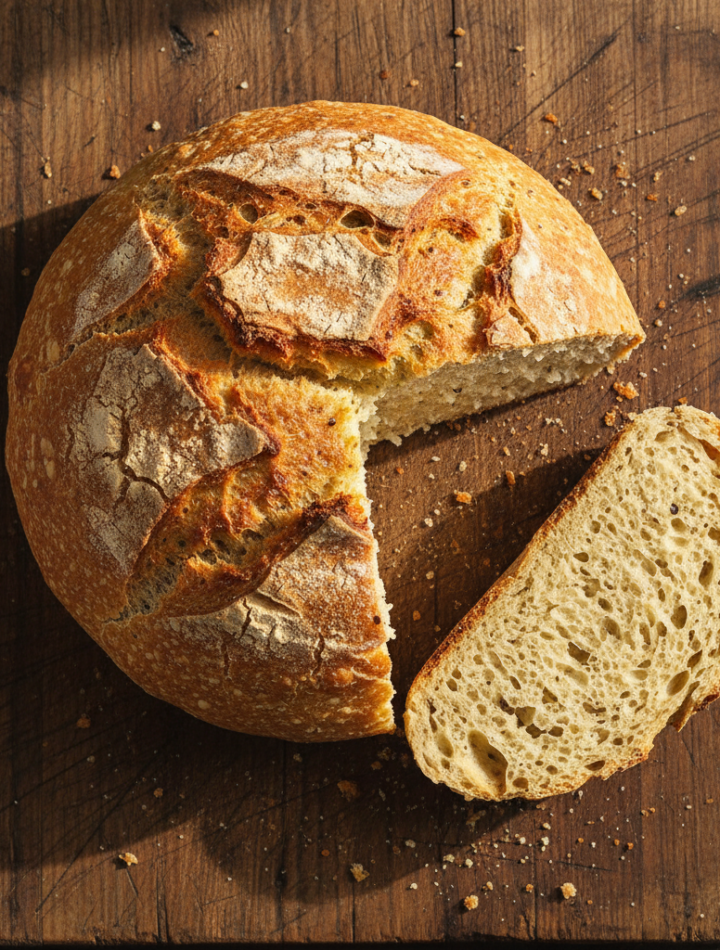
Fortunately, the market for gluten-free bread mixes has exploded, offering delicious alternatives that might just fool your taste buds. Gone are the days of dry, crumbly, and flavorless gluten-free bread. Today, several brands are crafting mixes that deliver a satisfying chew, a delightful crust, and a taste so authentic you might forget it’s gluten-free.
The Quest for Quality
The journey to finding a truly great gluten-free bread mix often involves trial and error. Many mixes rely on a blend of starches like tapioca, potato, and rice flour, which can sometimes result in a gummy or gritty texture. However, the top contenders have mastered the art of balancing these ingredients, often incorporating psyllium husk or other binders to achieve that coveted elasticity. The goal is to replicate the complex structure of gluten, which gives traditional bread its characteristic rise and soft crumb.
Our Top 5 Picks for Delicious Gluten-Free Bread
After extensive research and taste-testing, here are five gluten-free bread mixes that stand out for their exceptional flavor and texture:
1. King Arthur Baking Company Gluten-Free Bread Mix
King Arthur is a trusted name in baking, and their gluten-free bread mix is no exception. It consistently receives high marks for its ease of use and the remarkably soft, tender crumb it produces. This mix often requires the addition of just a few wet ingredients, making it a convenient option for busy households.
The resulting loaf has a mild, pleasant flavor that pairs well with both sweet and savory toppings. For those who also enjoy other gluten-free baked goods, you might be interested in exploring gluten-free crescent rolls for another delightful treat.
2. Bob’s Red Mill Gluten Free Bread Mix
Bob’s Red Mill is another powerhouse in the gluten-free space. Their bread mix is known for creating a hearty loaf with a good crust and a satisfying chew. It’s a versatile mix that can be used in bread machines or baked in a conventional oven. The blend of flours in this mix contributes to a robust flavor that stands up well to strong spreads like butter or jam. According to the Celiac Disease Foundation, understanding ingredient labels is crucial for managing celiac disease, and Bob’s Red Mill is transparent about their gluten-free certifications.
3. Pamela’s Products Amazing Gluten-Free Bread Mix
Pamela’s Products has a reputation for creating high-quality gluten-free baking mixes. Their bread mix delivers a wonderfully moist and flavorful loaf that doesn’t have that typical “gluten-free” aftertaste. Many users report that this bread slices beautifully and stays fresh for several days, a common challenge with homemade gluten-free bread.
4. Canyon Bakehouse Gluten-Free Bread Mix
While Canyon Bakehouse is more known for its pre-baked loaves, they also offer a popular bread mix. This option is praised for its ability to produce a bread that closely resembles traditional sandwich bread in both texture and taste. It’s a great choice for sandwiches, toast, or simply enjoying a slice with your favorite meal. The development of gluten-free alternatives has been a significant advancement for individuals managing gluten-related disorders, as highlighted by the National Institute of Diabetes and Digestive and Kidney Diseases (NIDDK).
5. Schär Artisan Baker Bread Mix
Schär is a European brand with a long history of producing gluten-free products. Their Artisan Baker Bread Mix is designed to create a rustic-style loaf with a lovely crust and a soft interior. It’s a fantastic option for those who appreciate a more European-style bread and want to achieve that authentic bakery quality at home. Their commitment to quality is a testament to the growing innovation in the gluten-free food industry, as noted by research from organizations like The Gluten Intolerance Group.
Frequently Asked Questions
Can I use a gluten-free bread mix in a bread machine?
Yes, many gluten-free bread mixes are specifically designed to work well in bread machines. Always check the packaging for specific instructions, as gluten-free bread often requires different settings or cycles than traditional bread.
What is the best flour blend for gluten-free bread?
The best flour blends typically combine various gluten-free flours and starches, such as rice flour, tapioca starch, potato starch, and sometimes almond flour or sorghum flour, along with binders like psyllium husk or xanthan gum to mimic gluten’s structure.
How do I store gluten-free bread made from a mix?
Gluten-free bread tends to dry out faster than wheat bread. It’s best stored in an airtight container at room temperature for a few days, or sliced and frozen for longer storage. Toasting can also help revive slightly stale gluten-free bread.
Are gluten-free bread mixes healthy?
While they are essential for individuals with celiac disease or gluten sensitivity, the nutritional profile of gluten-free bread mixes can vary. Some may be lower in fiber and certain vitamins and minerals found in whole grains. It’s always a good idea to check the nutrition facts and ingredient list. For more on dietary recommendations, the [U.S. Department of Agriculture (USDA)](https://www.myplate.gov/) provides general healthy eating guidelines.
What makes gluten-free bread different from regular bread?
The primary difference is the absence of gluten, a protein found in wheat, barley, and rye. Gluten provides structure, elasticity, and chewiness to regular bread. Gluten-free breads achieve this structure using alternative flours and binders, which can affect their texture and taste.