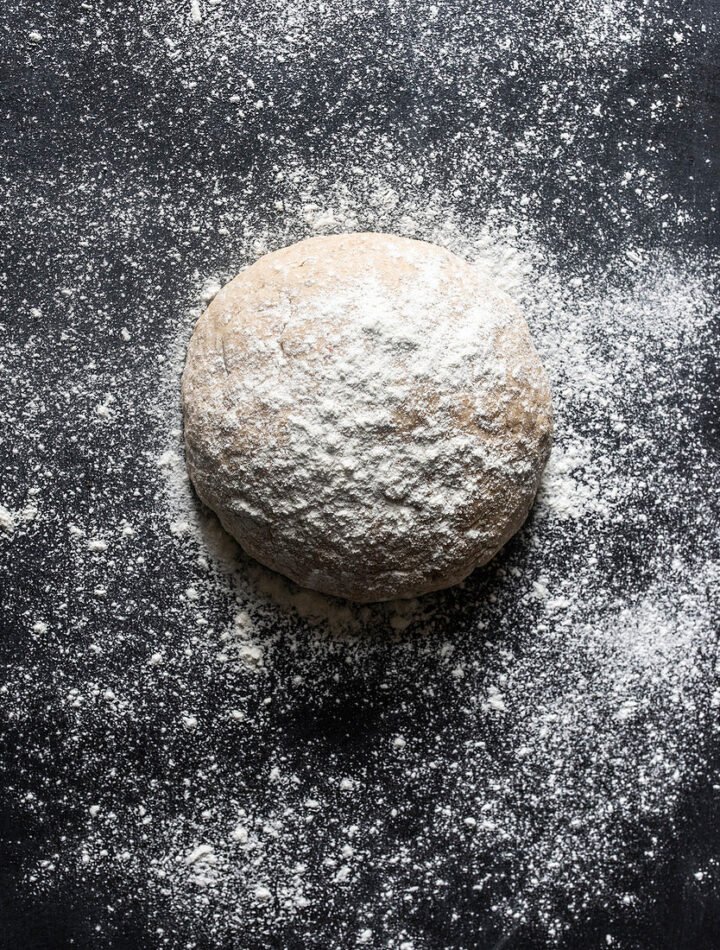
Did you know that bread making is one of the oldest culinary arts, with evidence suggesting it dates back over 30,000 years? The type of flour you choose is arguably the most crucial ingredient in creating that perfect loaf, influencing everything from texture and flavour to rise and crust. With so many options available, it can be overwhelming to select the best flour for your baking needs. Let’s explore the top five flours that can elevate your bread-making game.
1. All-Purpose Flour
As the name suggests, all-purpose flour is a versatile staple in many kitchens. It’s a blend of hard and soft wheat, giving it a moderate protein content, typically between 10% and 12%. This protein content is key because it forms gluten when mixed with water, which provides the structure and elasticity needed for bread to rise and hold its shape.
- Best for: Everyday breads, quick breads, rolls, and general baking.
- Pros: Widely available, affordable, and forgiving for beginners.
- Cons: May not produce the chewiest crust or the most robust flavor for artisanal breads.
2. Bread Flour
Specifically designed for yeasted breads, bread flour boasts a higher protein content than all-purpose flour, usually ranging from 12% to 14%. This elevated protein level leads to more gluten development, resulting in a stronger dough that can trap more gas produced by yeast. The outcome is a bread with a superior rise, a chewier texture, and a satisfyingly crisp crust.
- Best for: Crusty artisan loaves, bagels, pizza dough, and sandwich breads where a good rise and chew are desired.
- Pros: Excellent gluten development for a superior rise and texture.
- Cons: Can be slightly more expensive than all-purpose flour and may result in a tougher bread if overmixed.
3. Whole Wheat Flour
Made from the entire wheat kernel – including the bran, germ, and endosperm – whole wheat flour is packed with nutrients, fiber, and a rich, nutty flavor. Its natural content of bran and germ can interfere with gluten development, sometimes leading to denser loaves. However, many bakers enjoy the hearty taste and nutritional benefits it offers.
- Best for: Hearty sandwich breads, rustic loaves, and as a partial substitute in other bread recipes.
- Pros: High in fiber and nutrients, adds a robust flavor.
- Cons: Can result in denser loaves due to the interference of bran and germ with gluten. Requires more hydration.
4. Rye Flour
Rye flour is known for its distinctive earthy, slightly sour flavor and dense texture. It contains less gluten-forming protein than wheat flour, which is why rye breads are often heavier and less airy. The presence of pentosans, a type of carbohydrate, also contributes to its unique texture and moisture retention. Rye flour is often combined with wheat flour to achieve a better rise.
- Best for: Pumpernickel, dark rye breads, and sourdough starters.
- Pros: Unique flavor profile, good for dense, moist breads.
- Cons: Lower gluten potential leads to denser loaves; often best used in blends.
5. Spelt Flour
An ancient grain, spelt flour is a relative of modern wheat but has a slightly different gluten structure. This can make it easier to digest for some people sensitive to gluten, though it is not gluten-free. Spelt flour has a lovely nutty, slightly sweet flavor and produces a tender crumb with a good rise.
- Best for: Everyday breads, muffins, and as a substitute for whole wheat flour.
- Pros: Easier to digest for some, pleasant nutty flavor, tender texture.
- Cons: Can be more expensive and may require slight adjustments in hydration compared to wheat flour.