
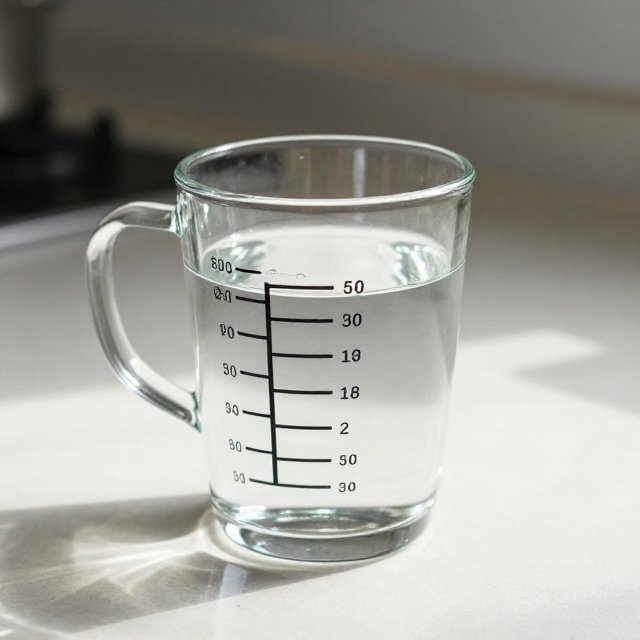
When working in the kitchen, dealing with home renovation projects, or measuring out mail, few units of measurement cause as much hidden confusion as the humble ounce. Abbreviated as oz, this everyday term actually hides a split personality that trips up home cooks and DIYers alike.
Understanding the difference between an ounce of weight and an ounce of volume is the ultimate key to mastering your kitchen recipes.
The Two Faces of the Ounce: Weight vs. Volume
The primary confusion with the ounce stems from the fact that it measures two completely different physical properties:
-
The Weight Ounce (Avoirdupois Ounce): This measures mass or how heavy an object is. In the US imperial system, there are 16 ounces in a single pound. When you weigh out flour, butter, or postal packages, you are using weight ounces (roughly 28.35 grams).
-
The Fluid Ounce (fl oz): This measures volume—how much space a liquid takes up. One fluid ounce is equal to one-eighth of a cup. While a fluid ounce of pure water weighs close to an ounce, other liquids (like honey, oil, or heavy cream) have different densities, meaning weight and volume do not always match up 1:1.
Why This Matters in Baking
If you’ve ever wondered how liquid measurements translate into standard kitchen tools, precision is everything. For example, knowing how to convert wet ingredients accurately can make or break a delicate bake. If you want to dive deeper into kitchen math, check out this handy guide on how many tablespoons in an ounce to streamline your measuring process.
Final Thoughts
Next time you step into the kitchen, take a moment to look closely at your recipe cards. Knowing whether your ingredients call for weight (oz) or volume (fl oz) will keep your bakes light, fluffy, and delicious every single time!